

ثمة أماكن لا تُعرف بموقعها على الخرائط فحسب، بل بما تتركه في الوجدان من أثر. وهناك مدنٌ لا يخلّدها التاريخ بعمرانها، وإنما بإنسانها. ومن بين تلك المدن تقف العباسية تقلي، في قلب جنوب كردفان،، نموذجا فريدا تتعانق فيه الطبيعة مع الأخلاق، ويصبح الإنسان امتدادا لجمال المكان، ويصبح المكان مرآةً لنبالة الإنسان.
فالجبال التي تحيط بالمدينة، والسهول التي تمتد على أطرافها، والأودية التي تنبض بالحياة مع مواسم الأمطار، تمنح العباسية تقلي لوحةً طبيعية آسرة. غير أن أجمل ما فيها يبقى ذلك الإنسان الذي يستقبلك بابتسامة صادقة، ويصافحك بقلبه قبل يده، ويجعلك تشعر منذ اللحظة الأولى أنك لم تدخل مدينةً جديدة، بل عدت إلى بيتٍ تعرفه منذ زمن.


لقد أدرك أهل العباسية تقلي، عبر أجيال متعاقبة، أن الإنسان هو الثروة الحقيقية لأي مجتمع، وأن قيمة المدن لا تُقاس بما تمتلكه من مبانٍ، وإنما بما تحتضنه من قيم. ولذلك ظل الاحترام، والتواضع، وحسن الخلق، وكرم الضيافة، وحفظ حق الجوار، ركائز راسخة في الحياة اليومية، تُمارس بعفوية، وتنتقل من الآباء إلى الأبناء بوصفها إرثا أخلاقيا لا يقل أهمية عن أي ميراث آخر.
وفي هذه المدينة، لا يبدو التنوع الاجتماعي والثقافي سببا للتباعد، بل مصدرا للثراء الإنساني. فقد تعايشت مكونات المجتمع المختلفة عبر سنوات طويلة، وتعلمت أن الاختلاف لا ينتقص من المواطنة، بل يعمقها، وأن السلام الحقيقي لا يبدأ عند توقيع الاتفاقيات، وإنما يبدأ عندما يحترم الإنسان أخاه الإنسان، ويؤمن بأن الكرامة حقٌ مشترك للجميع.
وحين يزور المرء العباسية تقلي، يكتشف أن الكرم هنا ليس مناسبة، بل أسلوب حياة. فالضيف لا يُعامل باعتباره زائرا عابرا، وإنما فردا من الأسرة، تحيطه المحبة قبل الطعام، والاهتمام قبل السؤال،
والابتسامة قبل الكلمات. وهي قيم تعكس مجتمعا يرى في حسن استقبال الآخرين صورةً من صور احترام الذات قبل أن تكون احتراما للضيف.
ولعل من أجمل ما يميز هذه المدينة أن روح الجوار ما زالت نابضة بالحياة؛ فالجار سندٌ لجاره، والناس يتقاسمون الأفراح كما يتقاسمون الشدائد، ويؤمنون بأن قوة المجتمع تنبع من ترابط أفراده وتكاتفهم، لا من إمكاناتهم المادية وحدها.
ولا يعني ذلك أن العباسية تقلي لم تواجه تحدياتها، فهي، كغيرها من مدن السودان، عاشت ظروفا معقدة تركت آثارها على الناس والحياة. لكن ما يستحق التأمل هو قدرة أهلها على المحافظة على نسيجهم الاجتماعي، وعلى إبقاء الحوار والتعاون والاحترام أساسا للعلاقات الإنسانية، إيمانا بأن المجتمعات التي تحافظ على أخلاقها تمتلك دائما فرصة للنهوض مهما اشتدت الظروف.
إن العباسية تقلي ليست مجرد مدينة في جنوب كردفان، بل رسالة إنسانية تقول إن جمال الأرض يكتمل بجمال أهلها، وإن السلام ليس شعارا يُرفع، بل سلوكٌ يُمارس، وإن التعايش ليس حلما بعيدا، بل ثقافة تُبنى كل يوم بالكلمة الطيبة، والاحترام المتبادل، واليد التي تمتد لمساندة الآخر.
وحين يغادر الزائر العباسية تقلي، قد تبقى في ذاكرته صور الجبال والسهول والوديان، لكن الذي يسكن قلبه طويلا هو إنسانها؛ ذلك الإنسان الذي جعل من الكرم عادة، ومن التعايش رسالة، ومن الأخلاق أسلوبا للحياة. وهكذا تظل العباسية تقلي شاهدا حيا على أن أجمل ما في الأوطان ليس ما تصنعه الطبيعة وحدها، وإنما ما يصنعه الإنسان بقيمه وإنسانيته. وإذا كان المكان يمنح الناس عنوانا، فإن الإنسان هو الذي يمنح المكان روحه، ويكتب تاريخه، ويصنع مستقبله.
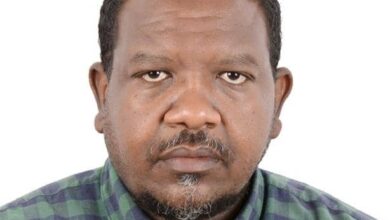
ويحضرني هنا نموذجا إنسانيا أصيل من إنسان جبال النوبة، بل من الإنسان في أبهى صوره؛ الأخ الكاتب والشاعر محمد جمعة عبدالقادر، الذي ظل، ولا يزال، نموذجا حيا لجمال المظهر والجوهر، وللانسجام بين المعاني والمباني، حيث تعكس أخلاقه الرفيعة كلماته، ويجسد حضوره أجمل قيم الإنسان.
*Al-Abbasiya Taqali: Where the Beauty of the People Surpasses the Beauty of the Land*
Some places are remembered for their landscapes, while others are remembered for their history. Yet there are rare places whose greatest beauty lies in their people. Al-Abbasiya Taqali, in the heart of South Kordofan, is one of those remarkable places where the beauty of nature is matched، and perhaps surpassed by the beauty of human character.
Surrounded by rolling hills, fertile plains, and seasonal valleys that come alive with the rains, Al-Abbasiya Taqali offers visitors a landscape of quiet elegance. Yet its most enduring impression is not created by its scenery but by its people, whose genuine smiles, open hearts, and sincere hospitality make every visitor feel less like a stranger and more like a member of the community.
For generations, the people of Al-Abbasiya Taqali have understood that the true wealth of a society is found not in its buildings or material possessions, but in its values. Respect, humility, generosity, integrity, and good neighbourliness have become part of everyday life, passed from one generation to the next as a living cultural heritage.
The community’s diversity has never simply been a demographic reality; it has become a source of social strength. Different cultural and social backgrounds have long coexisted, demonstrating that diversity can enrich society when guided by mutual respect, understanding, and shared humanity. Here, peace is not merely spoken about. It is practiced through daily interactions, cooperation, and genuine care for one another.
Hospitality is equally woven into the identity of Al-Abbasiya Taqali. Guests are welcomed not as outsiders but as members of the extended family. Warmth, kindness, and generosity are offered naturally, reflecting a culture that places human dignity above all else.
Equally remarkable is the enduring spirit of neighbourliness. Neighbours support one another in times of celebration and hardship alike, believing that the strength of a community lies in solidarity rather than individual prosperity. These values continue to provide resilience even in difficult times.
Like many communities across Sudan, Al-Abbasiya Taqali has experienced challenges and uncertainty. Yet its people have continued to preserve dialogue, mutual respect, and social cohesion, recognizing that communities capable of protecting their moral values are also capable of rebuilding their future.
Al-Abbasiya Taqali therefore represents far more than a geographical location. It offers a timeless reminder that the beauty of a place is completed by the beauty of its people, that peace begins in everyday human relationships, and that coexistence grows through kindness, respect, and shared responsibility.
When visitors leave Al-Abbasiya Taqali, they may remember its hills, plains, and valleys, but what remains with them most vividly is the character of its people. They remember a community where generosity is instinctive, coexistence is lived rather than proclaimed, and moral values continue to shape everyday life.
In the end, Al-Abbasiya Taqali reminds us of a profound truth: the greatest beauty of any homeland is not found only in its landscapes, but in the humanity of those who call it home. Nature may give a place its appearance, but it is people who give it its soul, preserve its history, and shape its future.
Here, I am reminded of an authentic example of the people of the Nuba Mountains indeed, of humanity at its finest: the writer and poet Mohamed Jumaa Abdelgadir, who has long embodied the beauty of both character and presence, where inner values harmoniously reflect outward grace, blessings, and whose life mirrors the finest qualities of humanity.